
Cleaning & Care
J&L Custom Countertops
Natural Stone Cleaning & Care
Contrary to popular myths, caring for and maintaining your soapstone, granite, marble, and quartz stone countertop is quite easy and simple. We thought it would be helpful to make a page for our customers to provide detailed and easy instructions on natural stone countertop maintenance and care.
J&L Custom Countertops cares about forming a long lasting relationship with our customers and are willing to answer any of your countertop care questions that you come across. Please contact us for any further questions or assistance.
In order to keep new countertops in the same top quality they are installed in, we have a few recommendations on the care and maintenance. Each material possess unique characteristics and need to be cared for differently. The following information will provide you tips to clean and care for your new custom countertops.
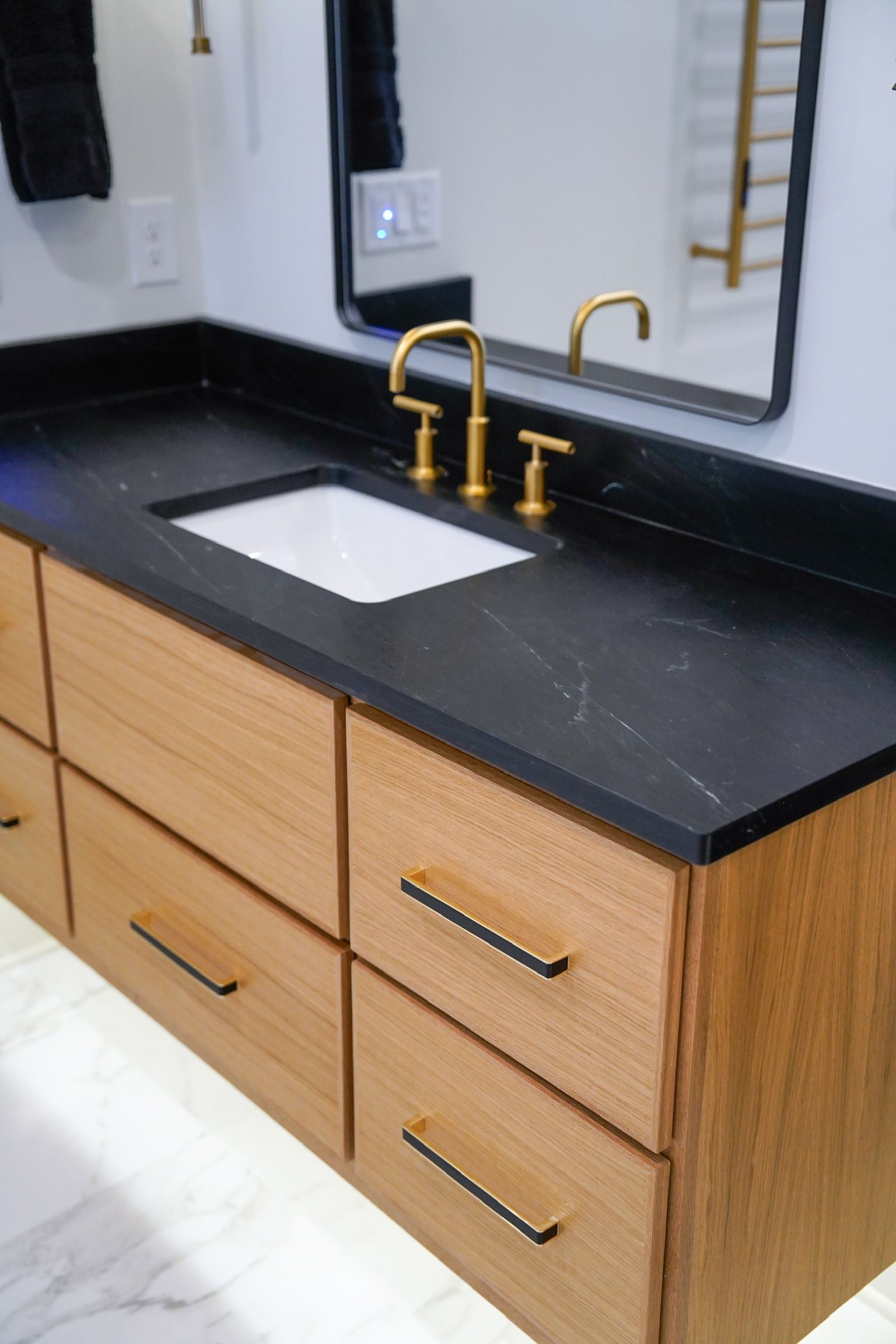
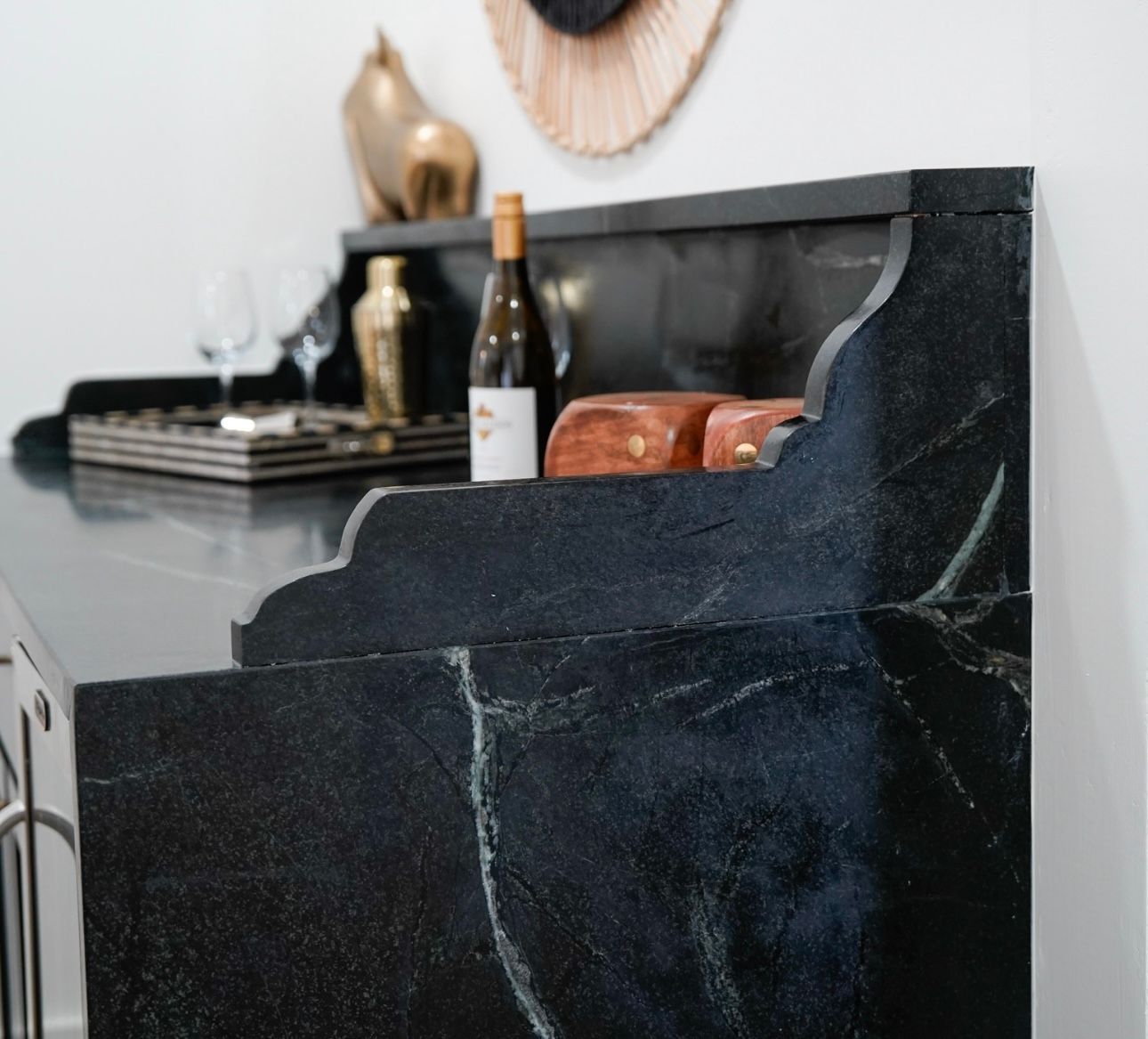
Some Tips to Preserve the Life of Every Stone Countertop
Use coasters under all glasses, bottles, cans, etc
Utilize trivets and mats when setting hot objects on your stone counter.
Oil can stain any natural stone so avoid contact with your countertops.
Blot spills with paper towels immediately and avoid wiping/spreading the spill.
Don’t use vinegar, ammonia, lemon or orange (acidic formulas) as cleaners.
Avoid scraping, as it could cause damage.
Care for Marble
Marble Countertops are heavy duty and durable, but are still porous surfaces. Clean surfaces with a sponge or soft cloth, mild dish soap and warm water. Use of a specifically formulated natural stone and granite cleaner is highly recommended (and can be purchased at J&L if requested). Avoid using excessive amounts of cleaner.
Every few months test to see if you need to seal your kitchen and bathroom countertops. To seal, apply a marble stone sealer to the surface in small sections and let sit for 30 minutes. After 30 minutes, pour a few drops of water and check to see if the water forms little beads. If water beads, you are done! Keeping your countertop cleaned and polishing it every month should mean you only need to seal roughly every 3-6 months.
Never use acidic or harsh cleaners on your marble countertops. Acidic cleaners such as lemon juice, Windex, and vinegar are too abrasive and should not be used on marble countertop surfaces. Solid surface vanity tops and countertops should never be cleaned with hard pads or with utensils that scrape the marble countertop. Instead, use a mild, non-acidic cleaner.
Daily Cleaning
- Wipe with a soft cloth and warm water mixed with a small amount of mild dish soap.
- Dry immediately to prevent water spots.
Avoid Etching
Marble is very sensitive to acids. Even brief contact can cause dull, light marks called etching.
- Avoid contact with:
- Lemon Juice
- Vinegar
- Wine
- Tomato products
- Coffee
- Harsh bathroom or all purpose cleaners
Stain Prevention
- Blot spills quickly, especially oils, wine, juice, and makeup products.
- Use coasters, placemats, and trays to limit contact with staining substances.
- Keep oils and cosmetics off the surface when possible.
Deep Cleaning
- Use a pH neutral stone cleaner formulated for marble.
- Never use bleach, ammonia, vinegar, Windex, or abrasive powders
Sealing
- Most marble needs sealing every 6-12 months, depending on use and color.
Scratch Prevention
- Always use cutting boards, marble scratches easily.
- Avoid dragging pots, pans, or appliances across the surface.
Heat Protection
Use trivets or heat pads. Extreme heat can cause thermal shock or dull the finish.
General Tips
- Clean messes by blotting, not wiping, to avoid spreading.
- Use a soft microfiber cloth for regular polishing and keeping the surface streak free.
Care for Quartz
Daily Cleaning
- Wipe with a soft cloth or sponge using warm water and a small amount of mild dish soap.
- Dry after cleaning to keep the surface streak free.
Stain Prevention
Quartz is non porous, but spills can still stain if left too long. Wipe up quickly, especially:
- Wine
- Coffee
- Juice
- Food dyes
- Oils and grease
Avoid letting substances sit or dry on the surface.
Deep Cleaning
- Use a non abrasive ph balanced surface cleaner safe for quartz.
- For stuck residue, use a plastic scraper, never metal.
- Avoid harsh chemicals like bleach, oven cleaner, comet, vinegar, ammonia, and strong degreasers.
Heat Protection
Quartz can discolor or crack under high heat. Always use trivets or hot pads under hot pots, pans, air fryers, and slow cookers.
Scratch Protection
- Quartz is scratch resistant but not scratch proof. Always use cutting boards.
- Don't slide heavy cookware, appliances, or objects across the surface.
Chemical Safety
Avoid exposing quartz to:
Paint strippers, nail polish remover (acetone), drain cleaners, and products with high pH or strong solvents can burn or permanently discolor the resin.
General Tips
- For dried spills, soak with warm soapy water before gently scraping.
- Never use abrasive pads, they can dull the finish.
- Keep the surface dry and clean to maintain shine.
Regular cleaning with a warm, wet soft towel. Use a mild detergent or mild dish soap. If there are any spills or sticky residue, clean as soon as they happen to avoid staining. For heavier and dried on spills, clean with a glass or surface cleaner. If you need to scrape dried on messes away, use plastic utensils only.
Never use bleach or harsh acidic cleaners and avoid using abrasive materials when cleaning.
Never use hydrofluoric acid on your countertops, as it attacks the minerals in the stone and can harm your countertop.
Care for Quartzite
Marble Countertops are heavy duty and durable, but are still porous surfaces. Clean surfaces with a sponge or soft cloth, mild dish soap and warm water. Use of a specifically formulated natural stone and granite cleaner is highly recommended (and can be purchased at J&L if requested). Avoid using excessive amounts of cleaner.
Every few months test to see if you need to seal your kitchen and bathroom countertops. To seal, apply a marble stone sealer to the surface in small sections and let sit for 30 minutes. After 30 minutes, pour a few drops of water and check to see if the water forms little beads. If water beads, you are done! Keeping your countertop cleaned and polishing it every month should mean you only need to seal roughly every 3-6 months.
Never use acidic or harsh cleaners on your marble countertops. Acidic cleaners such as lemon juice, Windex, and vinegar are too abrasive and should not be used on marble countertop surfaces. Solid surface vanity tops and countertops should never be cleaned with hard pads or with utensils that scrape the marble countertop. Instead, use a mild, non-acidic cleaner.
Daily Cleaning
- Use a soft cloth or sponge with warm water and a small amount of mild dish soap.
- Dry after cleaning to maintain shine and prevent water spots.
Stain Prevention
Quartzite is durable but still porous, so spills should be wiped quickly, especially:
- Wine
- Coffee
- Oils and grease
- Tomato sauces
- Juice
Use coasters, trivets, and placemats to protect against stains and excessive heat.
Deep Cleaning
- Use a ph neutral stone cleaner designed for natural stone.
- Avoid harsh or abrasive cleaners like bleach, ammonia, vinegar, or scouring powders, they can weaken sealant or dull the finish.
Sealing
- Most quartzite needs sealing every 1-2 years, depending on usage and porosity.
Scratch Prevention
- Quartzite is harder than granite, but still avoids using it as a cutting board.
- Don't drag pots, pans, or appliances across the surface, lift instead of slide.
Heat Protection
Use trivets or hot pads. Even though quartzite is heat resistant, extreme temperature changes can stress the stone or damage the seal.
General Tips
Blot spills rather than wipe to avoid spreading, and use microfiber cloths to keep the surface streak free and polished.
Care for Soapstone
Daily Cleaning
- Wipe with a soft cloth or sponge using warm water and mild dish soap.
- Soapstone is non porous, so it wont stain easily and is very simple to keep clean.
Stain and Chemical Resistance
- Soapstone naturally resists acids, chemicals, and stains like lemon, vinegar, wine, and coffee won't etch the surface.
- Wipe spills as you see them, but no need to panic if something sits for a bit.
Enhancing Color (Optional)
Soapstone naturally darkens over time. You can speed this process if you prefer a richer, deeper tone
- Apply food grade mineral oil every few weeks at first, then only as needed.
- Alternatively, use a soapstone wax for longer lasting color enhancement.
Scratch Care
- Soapstone is soft and can scratch or dent.
- Light scratches can be removed with fine grit sandpaper (120-220 grit) followed by a small amount of mineral oil.
- Avoid sliding heavy pots or appliances across the surface, lift instead.
Heat Protection
- Soapstone is extremely heat resistant.
- Hot pans typically won't damage it, but using trivets is still recommended to prevent thermal shock or accidental scratches from pan bottoms.
Deep Cleaning
- For a more thorough clean, use a stone safe ph neutral cleaner.
- Avoid abrasive powders; they're not needed and can roughen the finish.
General Tips
Expect the stone to naturally darken, and develop character over time, this is part of the soapstone's charm.
Reapply mineral oil or wax whenever the surface looks uneven or dry.
Regular cleaning with a warm, wet soft towel. Use a mild detergent or mild dish soap. If there are any spills or sticky residue, clean as soon as they happen to avoid staining. For heavier and dried on spills, clean with a glass or surface cleaner. If you need to scrape dried on messes away, use plastic utensils only.
Never use bleach or harsh acidic cleaners and avoid using abrasive materials when cleaning.
Never use hydrofluoric acid on your countertops, as it attacks the minerals in the stone and can harm your countertop.
Care for Granite
For regular maintenance, clean surfaces with a sponge or soft cloth and warm, soapy water to clear any dirt or spills from the surface. Use of a specifically formulated natural stone and granite cleaner is highly recommended (and can be purchased at J&L if requested).
Sealing your granite countertops is an added precaution to avoid staining. Sealing does not make your countertop stain proof, but rather adds a layer of protection and makes the stone countertop stain resistant.
Every few months, test to see if you need to seal your countertops. To seal, apply a granite stone sealer to the clean countertop surface. Use a non-toxic sealer when applying sealer to food preparation areas. Clean in smaller sections and let sit for roughly 30 minutes. The final step is to pour a few drops of water on the surface after the wait to see if it forms little beads. If the water beads up, you are done! Keeping your countertops cleaned and polishing every month means you only need to seal it once or twice per year.
Daily Cleaning
- Use a soft cloth or sponge with warm water and a mild dish soap.
- Avoid abrasive pads, they can dull the surface over time.
Stain Prevention
- Wipe spills immediately, especially oil, wine, juice, coffee, and acidic foods.
- Use coasters under drinks and trivets under hot pans to protect the sealant and stone.
Deep Cleaning
- Use a pH-neutral stone cleaner made specifically for natural stone when you want a deeper clean.
- Avoid harsh chemicals like bleach, vinegar, ammonia, or Windex, these can break down the sealant.
Sealing
- Granite should be resealed every 1-2 years, depending on use and color of the stone.
Avoid
- Acidic cleaners (Vinegar, lemon, bathroom cleaners)
- Abrasive scrubbers or powders
- Standing water on the surface for long periods
- Using the countertop as a cutting board (can dull knives and scratch certain finishes)
General Tips
- Keep the surface dry after cleaning to maintain shine.
- Use cutting boards, trivets, and coasters for long- lasting beauty.
Get in Touch
Whether you’re ready to schedule a consultation, request a free quote, or simply ask a question, our team is here to help. Use our online form or call today to connect with a countertop expert.